
September 18, 2026
5 ACTIONS TOWARDS RIGHT RELATIONSHIP WITH INDIGENOUS PEOPLES
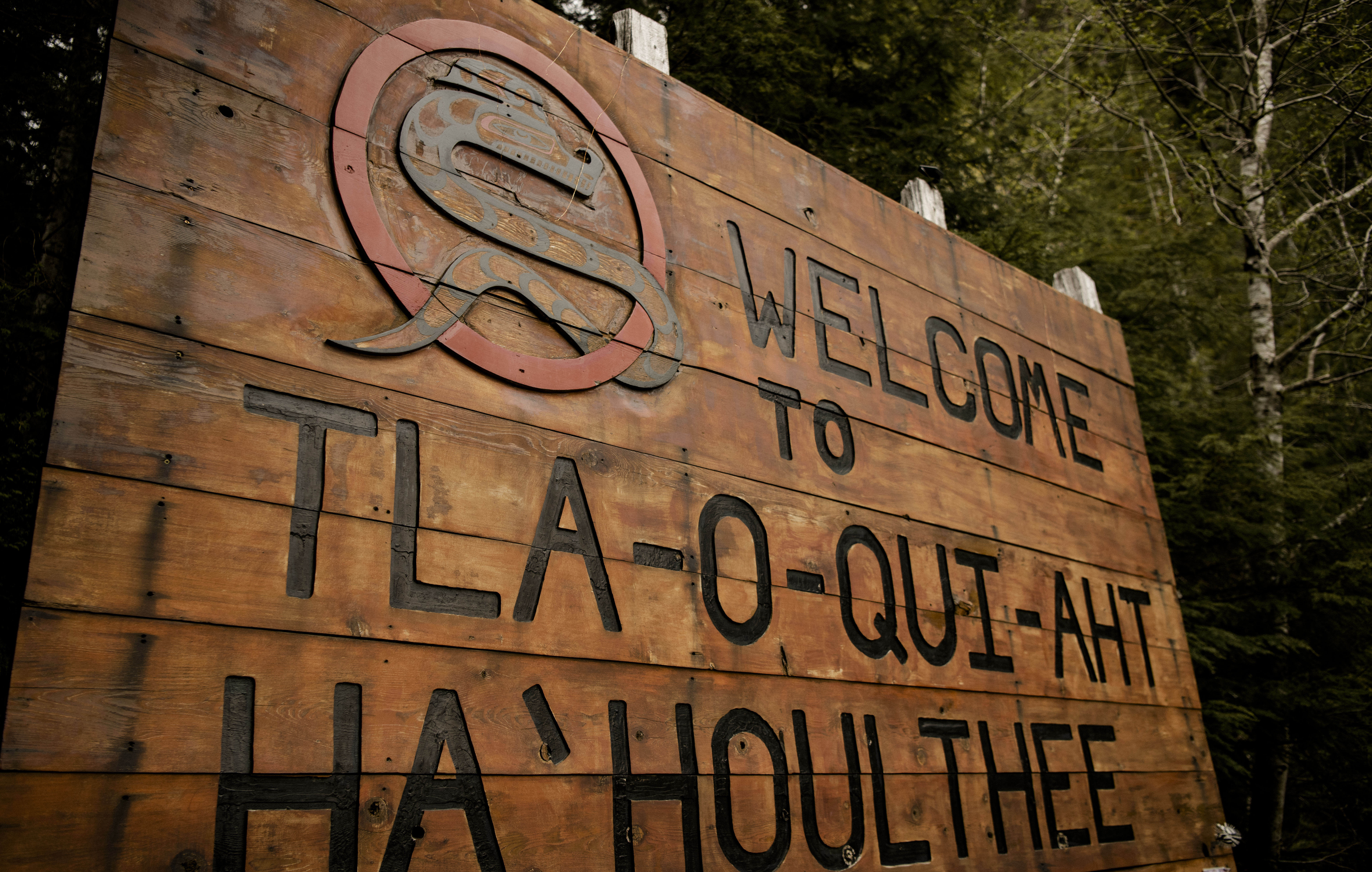
(Photo: Bryanna Bradley)
by Erin Linn McMullan
As we anticipate September 30th and the Indigenous-driven Orange Shirt Day first created in Williams Lake, BC in April 2013 and inspired by Phyllis Webstad’s recollection of having her orange shirt taken away on her first day at Indian Residential School, it is an opportunity to reflect that “Every child matters” and commit to genuine change.
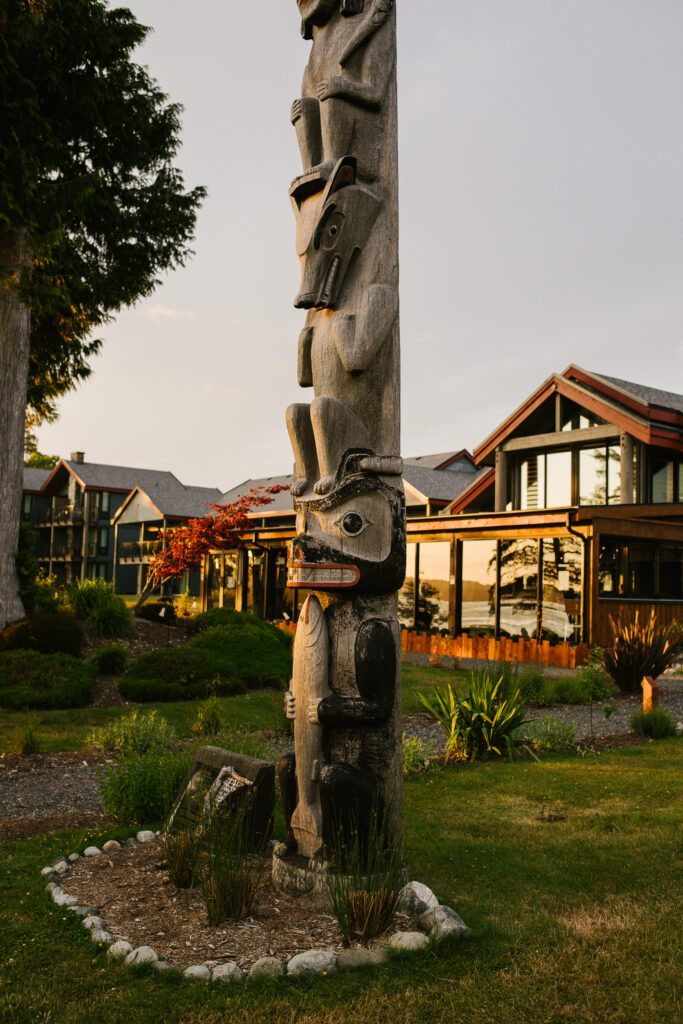
On the lawn of ƛaʔuukʷiʔatḥ owned Tin Wis Resort, an Original Original and Authentic Indigenous, Tiičswina, We Survived! keeps vigil for all the children who attended residential schools and those who never returned. This č̓iin̓uł (totem pole) was raised that same year, on March 29, 2013, for the Truth and Reconciliation Commission commemoration celebration.

September 30th was later acknowledged as National Day for Truth and Reconciliation Day beginning on September 30, 2021.
In September’s blog, ƛaʔuukʷiʔatḥ ƛ̓iiʔiik (Tsimka Martin) and Jeanette Sheehy spoke about developing their workshop, Pathways from Settler Colonialism to Right Relationship and Indigenous sovereignty with upcoming sessions this fall hosted by Tourism Tofino on October 22nd and November 18th.
Inspired by their workshop, here are five actions you can commit to:
- Learn your settler history
Build self-awareness by reflecting on the asks from the work of Indigenous rights advocate Chief Freda Huson, (Dzeke ze’) from the Wet’suwet’en People:
- Learn about how your families first came to North America.
- Learn about settler colonialism and state violence and talk about it with other settlers.
- And, learn the language your family spoke before English.
Learn more about Freda Huson’s work Here
- Learn about the Truth and Reconciliation Commission’s Calls to Action
In 2015, The Truth and Reconciliation Commission of Canada concluded extensive consultation, including with Residential school survivors, their families, and communities. “It is clear that residential schools were a key component of a Canadian government policy of cultural genocide,” Chief Justice Murray Sinclair concluded in their report. He added, “That any Indigenous person survived the culturally crushing experience of the schools is a testament to their resilience, and to the determination of those members of their families and communities who struggled to maintain and pass on to them what remained of their diminishing languages and traditions.”
Today, the National Centre for Truth and Reconciliation forward this work by continuing to invite people to share their stories one-on-one in a private session or within a sharing circle in the presence of a statement gatherer.
Read the 94 Calls to Action Here.
- Learn whose territory you live in and are visiting
Land acknowledgement is an essential entry point to begin learning about the places you live and visit. Indigenous-driven resources include Native Land Digital’s Map which started in Canada and now includes global contributors, as well as to help you identify whose land you’re living on or visiting and the Treaty Map by the Yellow Head Institute providing Indigenous insight on treaties from 1763 to the present.
Input Tofino, BC to learn more about n̓ačiqs Here.
- Go beyond land acknowledgement
On the west coast, these lands and waters have been stewarded by nuučaańuł Peoples since time immemorial with a continuity of care in new affirmations of Indigenous protected and conserved areas (IPCAs). This includes protection of over 76,000 hectares of Clayoquot Sound and increased forest management.
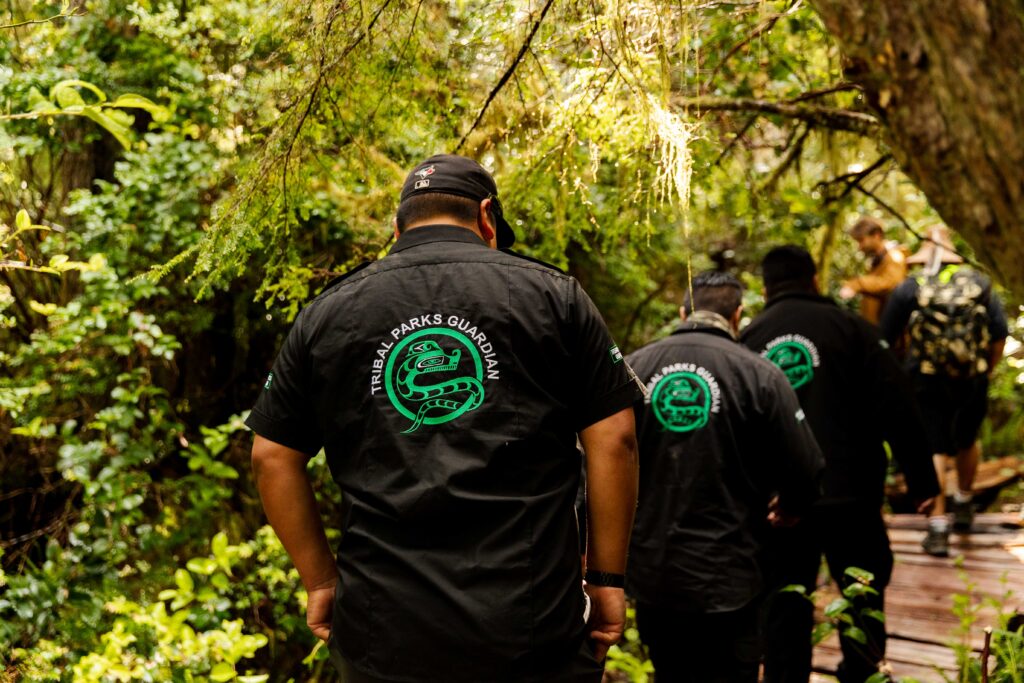
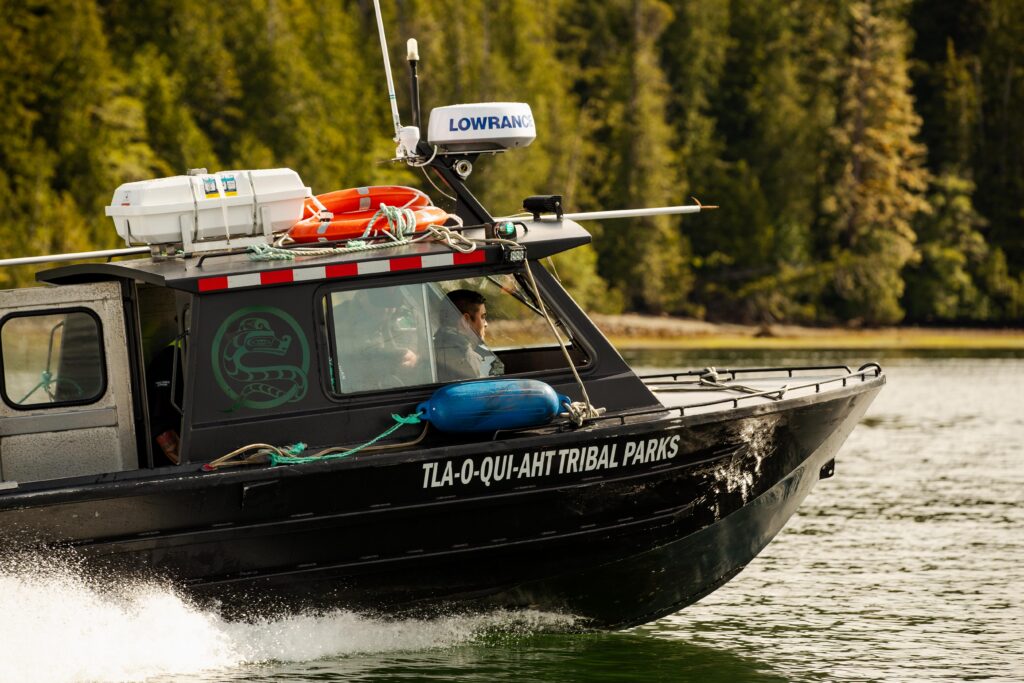
The ancestral gardens declared on April 21, 1984, as the ƛaʔuukʷiʔatḥ Tribal Parks now encompass the entire ḥaḥuułi with the recognition of ḥačxwiqaq (deep ocean) Tribal Park in 2024 during its 40th anniversary. ƛaʔuukʷiʔatḥ Tribal Parks shares four foundational ƛaʔuukʷiʔatḥ teachings in the ʔiisaak Pledge as a guide to visiting and living within n̓ačiqs (Tofino) responsibly.
Learn more about this journey by reading Belonging with Indigenous Lands: Reciprocity, Resurgence, and Environmental Stewardship in Tla-o-qui-aht Tribal Parks (2026).
Take the ʔiisaak Pledge Here.
- Support Indigenous revitalization
You can actively support Indigenous revitalization in a myriad of ways:
Learn and use nuučaańuł place names such as the restored ƛaʔuukʷiʔatḥ name tinwis —indicating “calm waters” and briefly known as Mackenzie Beach, and ƛaakašiis—“the place where whales stand on the beach (aka Tonquin Beach Park).
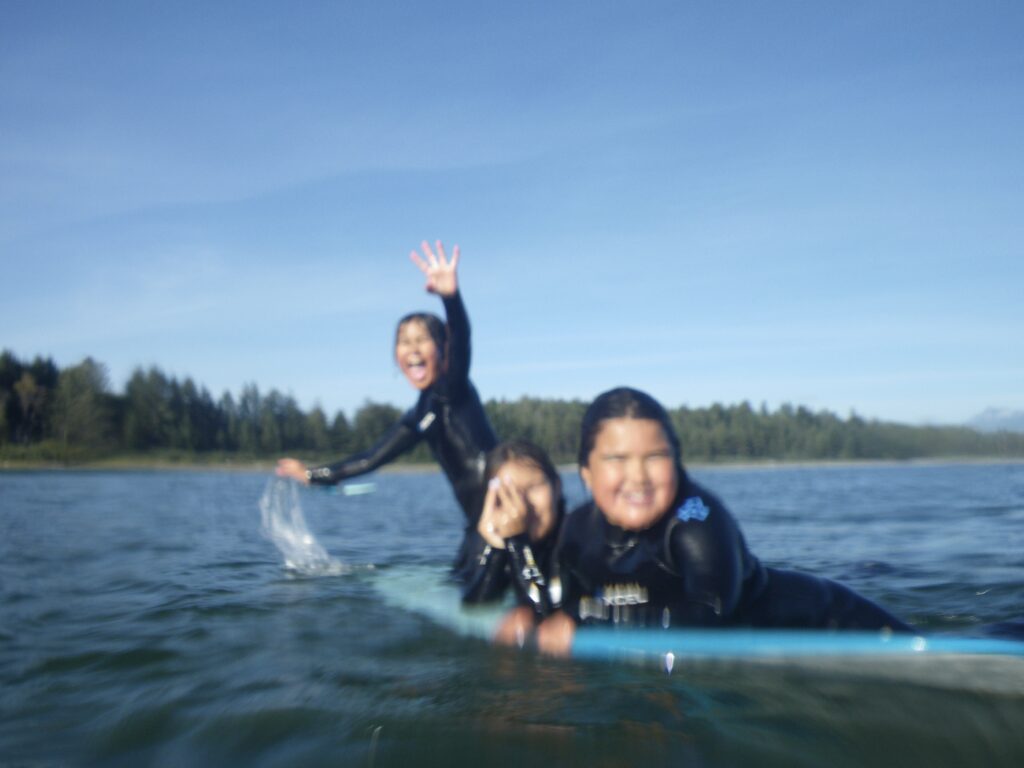
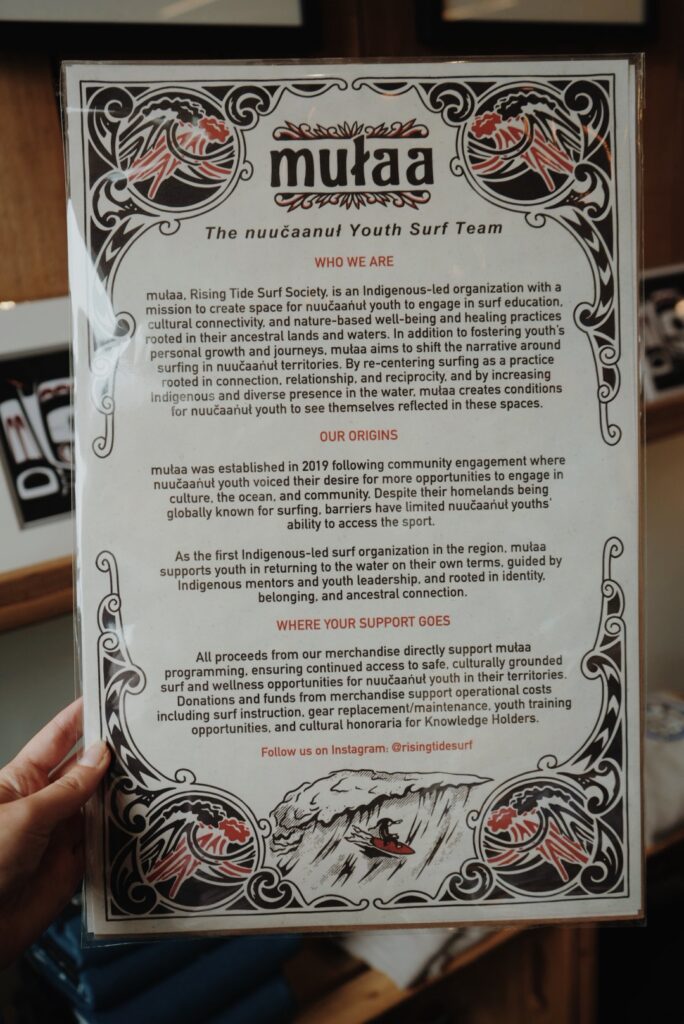
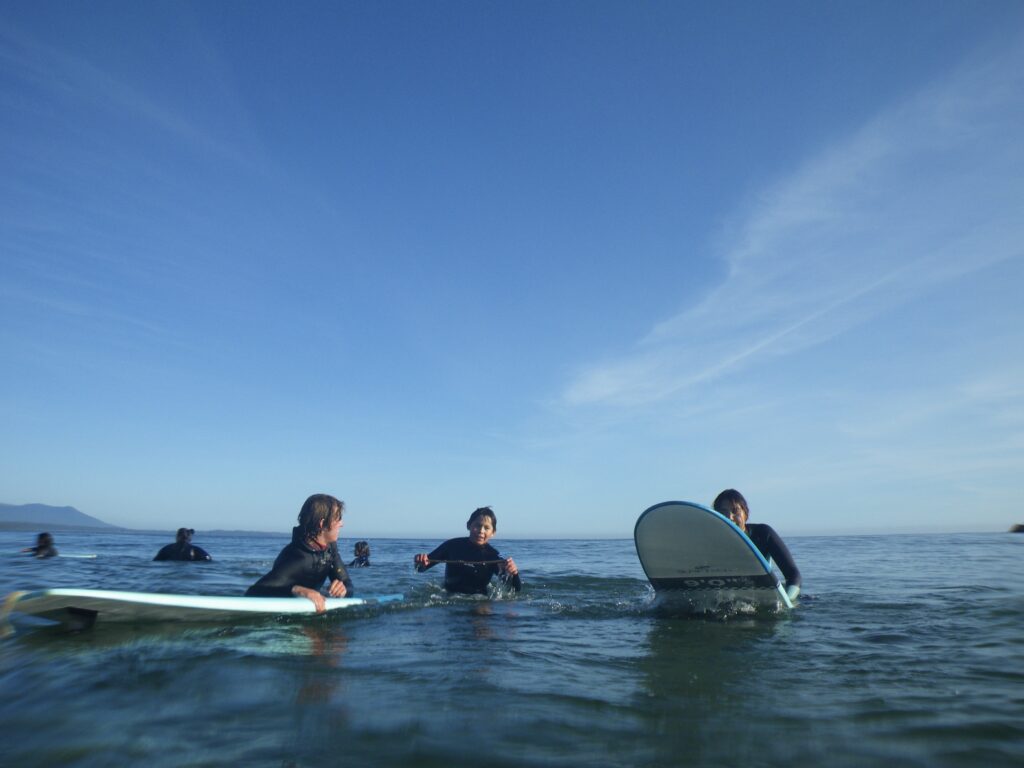
Support youth programs like mułaa rising tide surf team to help lift nuučaan̓uł youth up by connecting them to this Indigenous sport.
Support environmental stewardship and cultural revitalization by donating directly to ƛaʔuukʷiʔatḥ Tribal Parks Here.
Support Indigenous-owned and ƛaʔuukʷiʔatḥ Tribal Parks Allied businesses Here.
Support Indigenous-owned businesses and public events throughout the province via the Indigenous Tourism of British Columbia (ITBC) app Here.