
October 16, 2026
Your winter adventure at Tsawaak
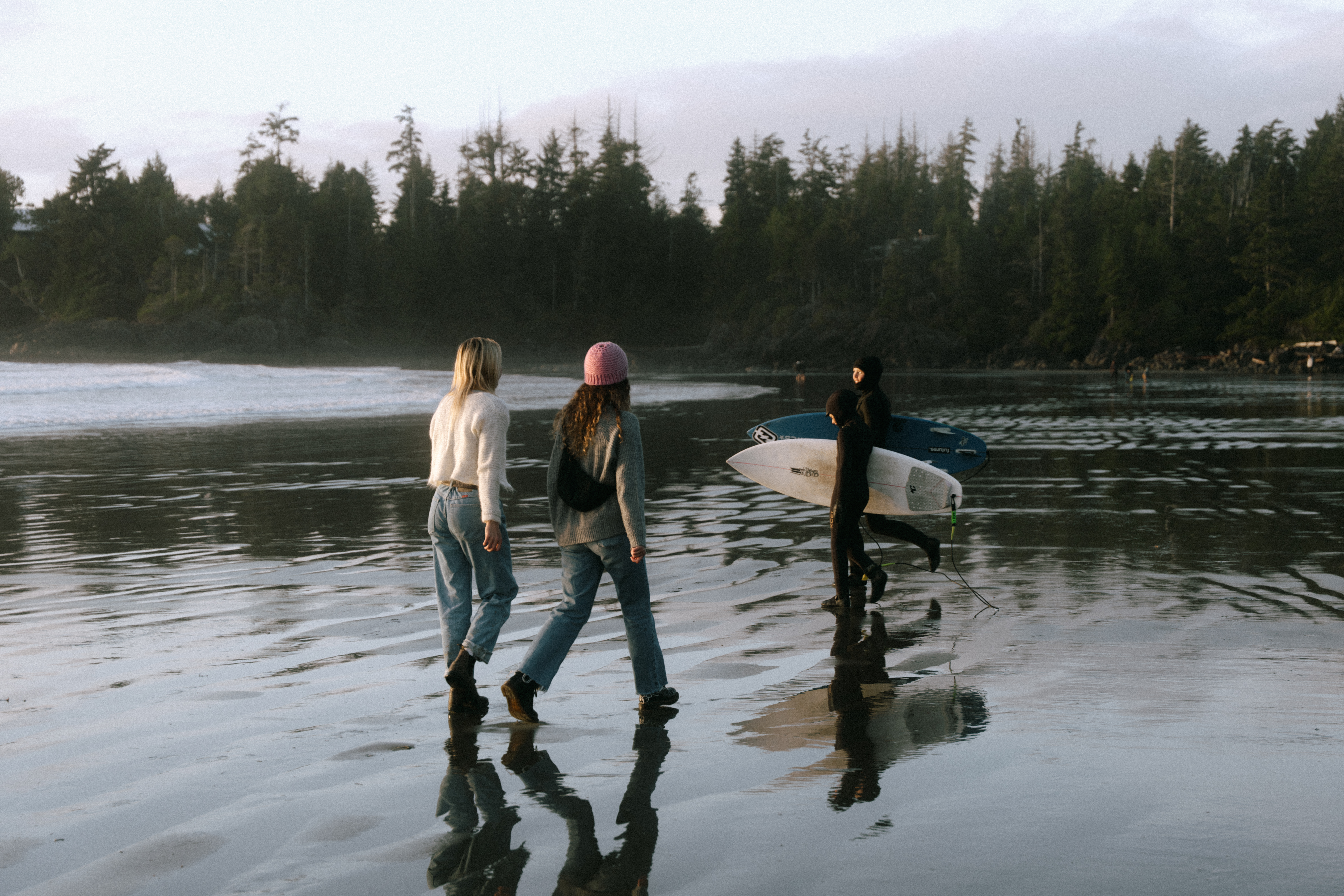
(Photo by Shorewood Collective)
By Erin Linn McMullan
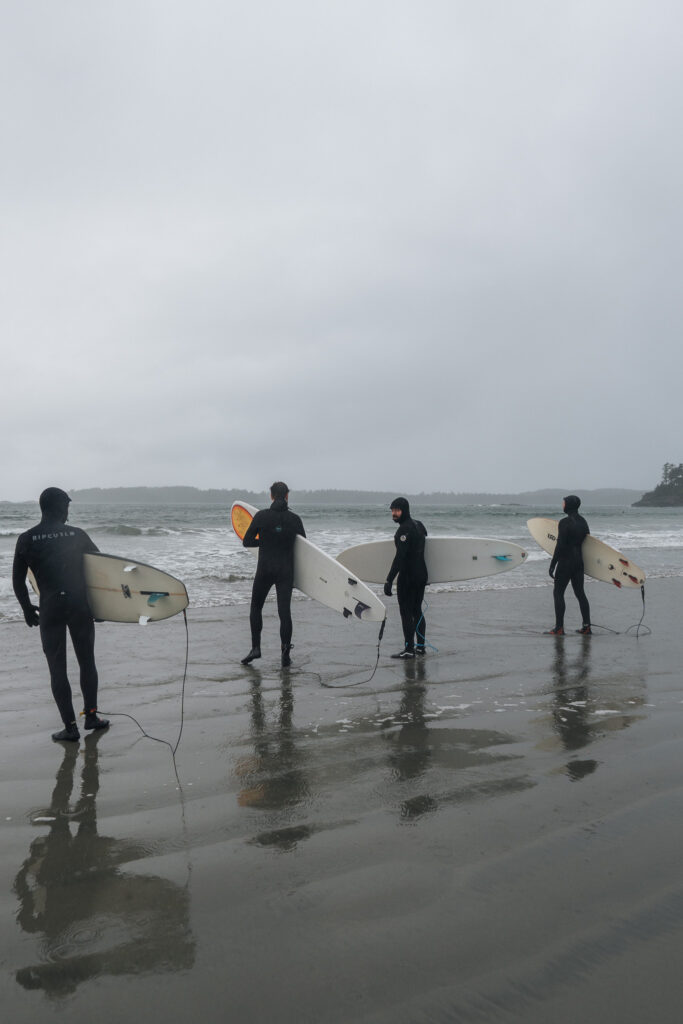
Winter. Time for reflection. The storms are so fun, and I love recognizing the grandiosity of nature and my insignificance. That’s why I love being in the ocean on a boogie board or a surfboard when it’s raining and stormy out in the waves. When you’re part of that, it seems less foreign and scary.
— Catherine Bruhwiler, Allied Partner, Tofino Paddle Surf
In n̓ačiqs (Tofino), the adventure doesn’t end with summer. If you’re craving connection with awe-inspiring nature, active days, and nights under dramatic skies, make ƛaʔuukʷiʔatḥ owned Tsawaak RV Resort and Campground your home for the winter or a weekend getaway.
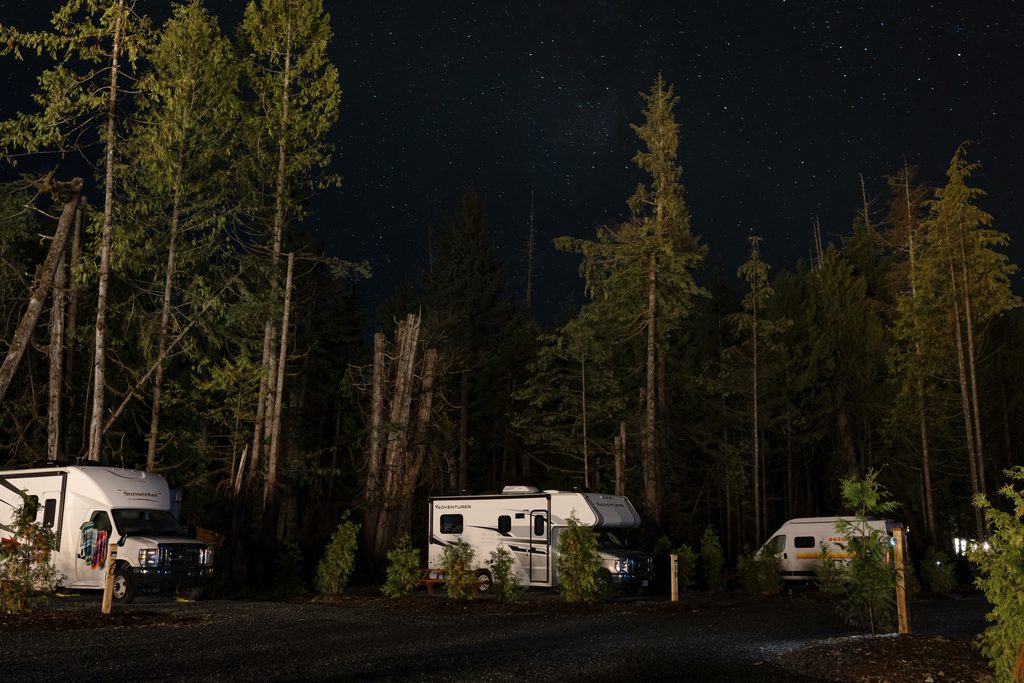
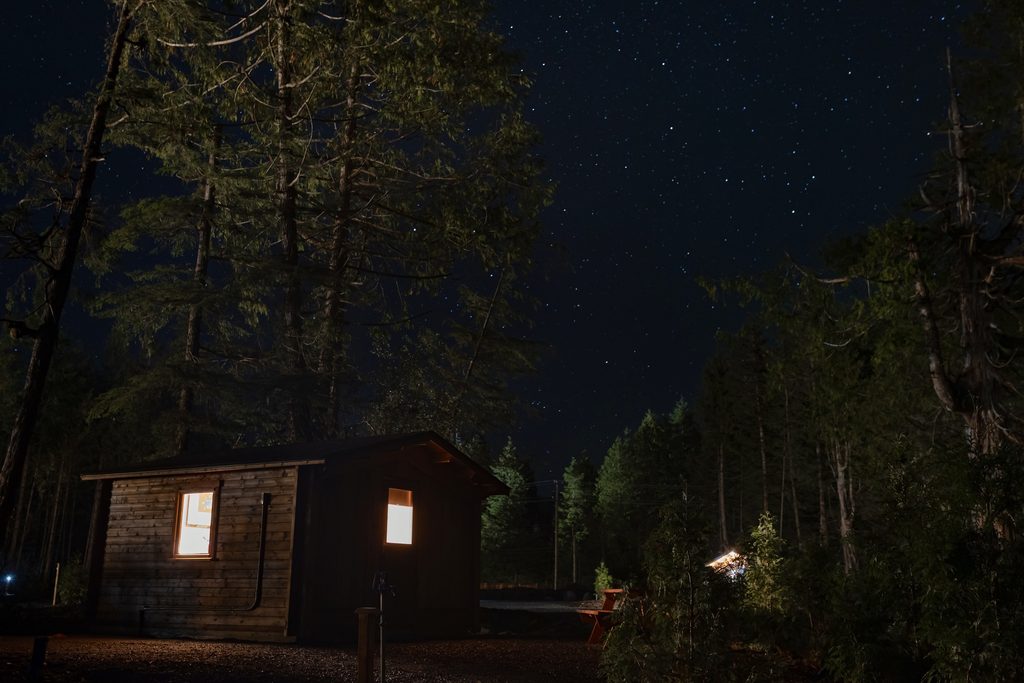
Tsawaak means one. His-shuk-nish-tsa-waak. Everything is one. Everything is interconnected.
“Honestly, winter is one of my favourite times to be in Tofino,” says Kyle Mander, Operations Manager, whose background is in outdoor adventure and guiding. “It’s definitely wetter and a little cooler, but that’s also part of what makes it such a good time to be here. There are fewer people around, the beaches are quieter, and everything feels a little more relaxed.”
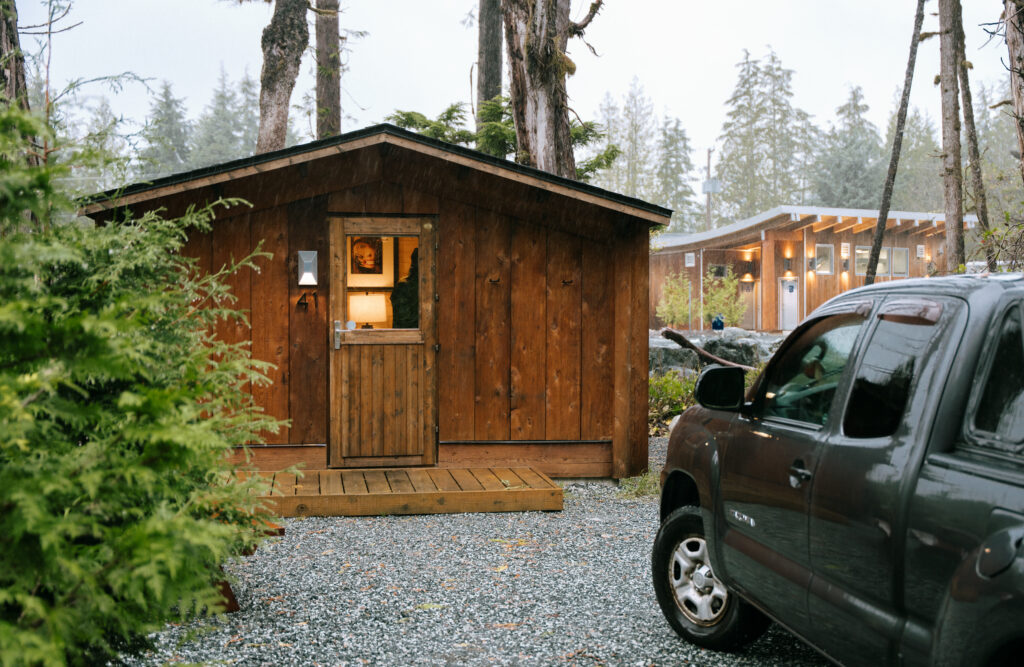
With spacious pull-thru RV sites and comfy cedar cabins (with dog-friendly options), this cozy haven is nestled amidst temperate rainforest only steps from the ocean.
For a spontaneous winter getaway, pick up an all-in-one rental camper in Nanaimo at Hullo Ferry or the airport. In Port Alberni, you can also pick up backpacking, beach, and camping gear or arrange for delivery. Be sure to check DriveBC ahead.
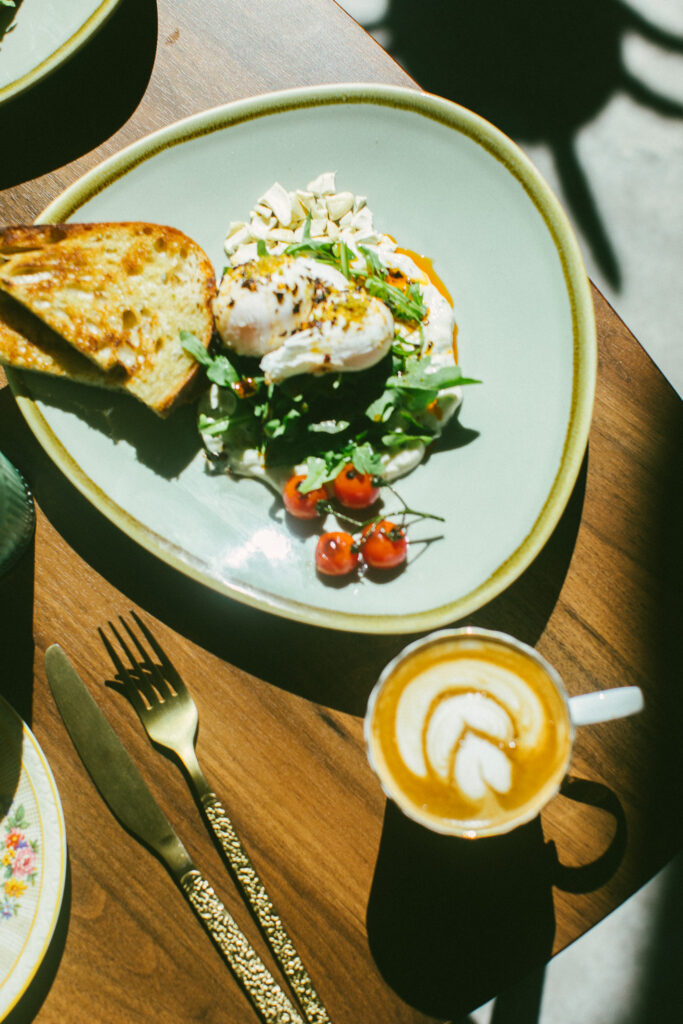
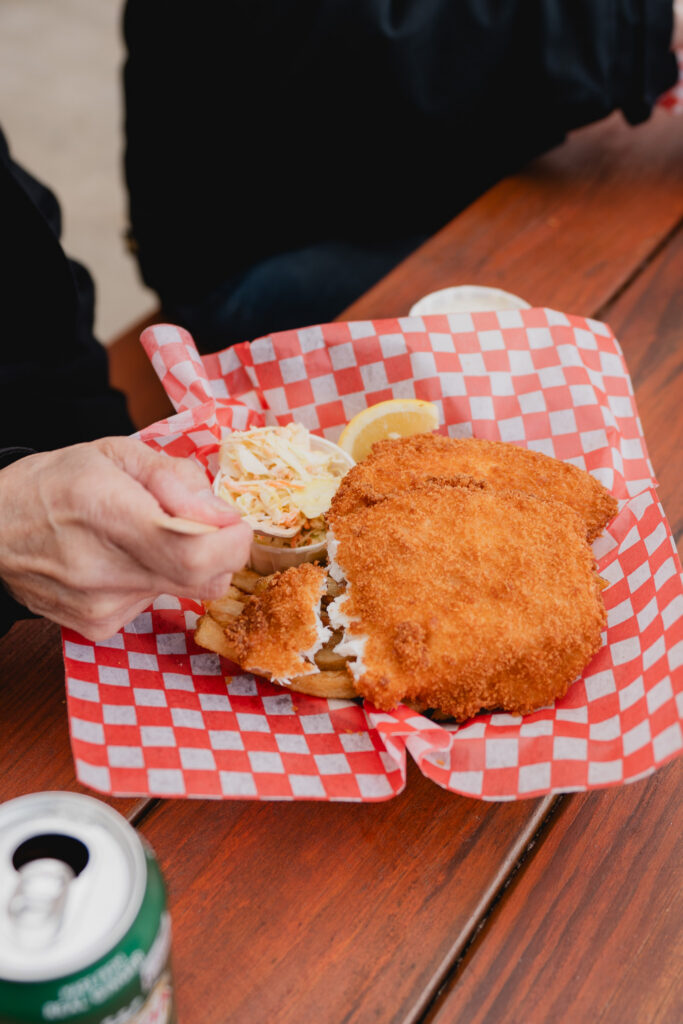
Kyle describes his “ideal winter day” beginning with “grabbing a coffee at Moss & Milk, walking over to tinwis Beach for a surf, and then heading to Surfside Grill for something to eat afterwards.
“Winter can bring some really good waves,” emphasizes Kyle, “and being able to walk to the beach from Tsawaak is a big bonus. Even if you’re not surfing, storm season is pretty impressive to watch from the beach when the swell is up.”
Tsawaak’s Allied partners onsite and off are ready to make your winter adventure unforgettable.
Beachfront Allied Tofino Paddle Surf offers rentals from surfboards to boogie boards and saltwater kayaks for playing in the waves as well as private lessons to level up your skills. Rinse off afterwards at Tsawaak’s surf shower or linger under hot water in the hat̓inquwił (showers) indoors.
Combine it with a hydrotherapy circuit après surf or cold plunge and warm up in front of a glowing wood-fired stove imported from Finland at Allied Tuff City Saunas’ Nordic spa just steps away down the beach.
“When you get out of the water and walk back to the sauna from the beach, this magical thing happens where you feel cold just for a moment,” says Jordan Hanthorn. “Then the deep heat within your body starts to percolate to your exterior. And the walk back from the ocean is a euphoric event where you watch the eagles overhead or you see the snow dusting the mountains.”
As Kyle points out, winter offers a different way to experience Tofino.
“Less people out on the water, crisper air, feels like more of an ‘adventure’,” emphasizes Sam Cutcliffe, Communications Manager at Allied Paddle West Kayaking. Their 2–6-hour Tofino day trips are available on demand all winter long through their website.
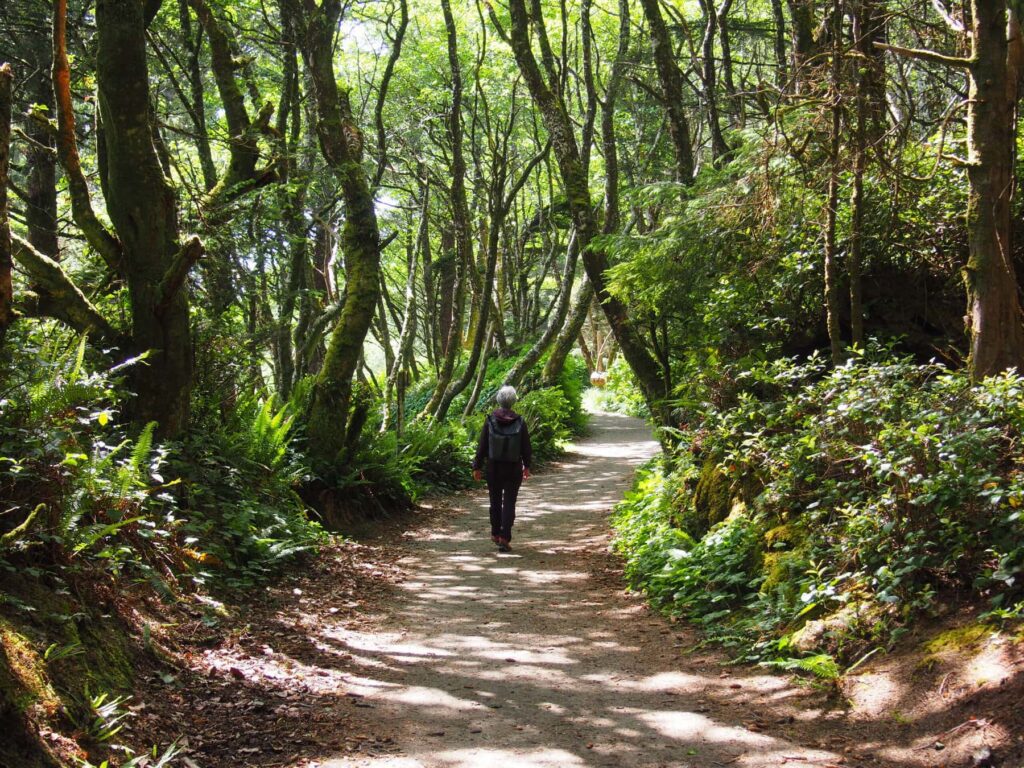
Clayoquot Sound remains abundant with resident marine life and as Sam points out, “No people on Big Tree Trail!!!”
A great way to orient yourself once you arrive is Allied Nomad Adventure Guides’ three-hour interpretive tour within the Indigenous co-managed Pacific Rim National Park Reserve. Designed for all ages, this private tour is available year-round and includes pick up at Tsawaak.
With three decades of guiding experience, their ethos emphasizes three pillars: 1) Nature sets the pace; 2) slower travel, deeper connection; 3) travel lightly, respect deeply.
“We dive deep into the ecology of the coastal temperate rainforest, the history, AND the culture,” says Liam Ogle, who explains that they’ve been guiding in the park since 1996 and visit three different areas.
“On that walk we go to ‘Lismer Beach’, which is an old village site within the national park.”
This pocket beach on the south end of Wickaninnish behind the Kwisitis Visitor Centre is accessed via the South Beach or Nuu-chah-nulth Trails. Briefly known as “Lismer Beach” after Group of Seven painter, Arthur Lismer, it is the ancestral Yuułuʔiłʔatḥ village site of Kwisitis.
Over nearly two decades in the 1950s and ‘60s, Lismer returned to rent the same cabin at the “Old Wick” Lodge, painting “in plein air” and often seen hiking Long Beach carrying his art supplies.
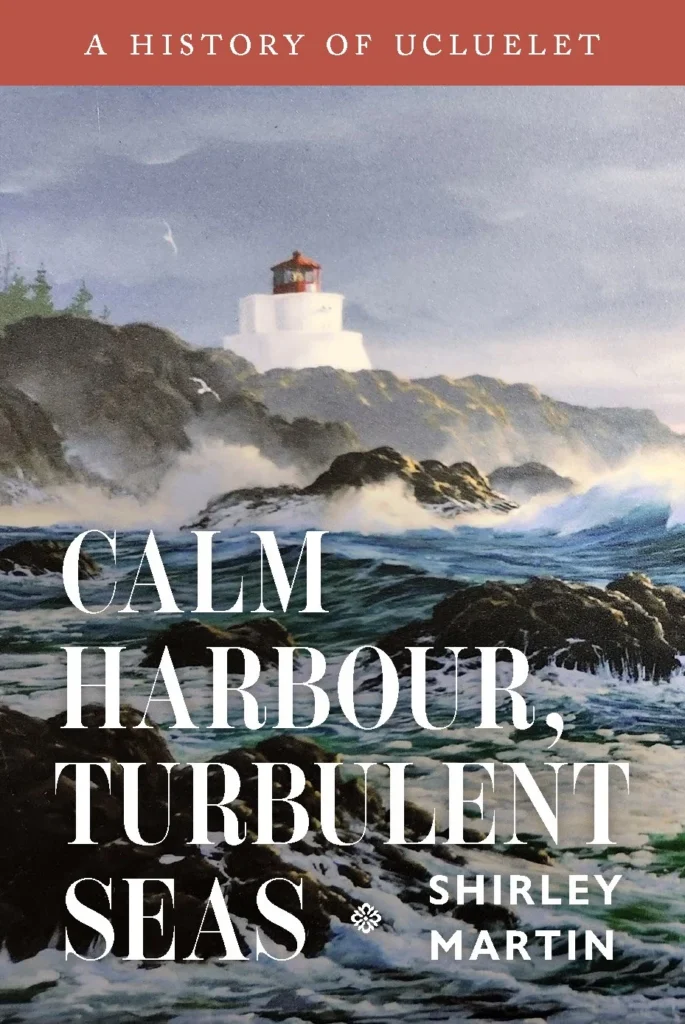

In Calm Harbour, Turbulent Seas, historian Shirley Martin recalls that he would sometimes sketch on bits of paper while eating at the inn where she was a young waitress.
“Arthur Lismer, like other members of the iconic Group of Seven, found the west coast of Vancouver Island to be a dramatic change from his home landscapes in eastern Canada,” says Shirley. “He returned repeatedly to the Long Beach area, drawn by the magic of the tumultuous ocean, verdant forests, shifting sands, and rocky shoreline. Lismer relished the solitude as he created powerful paintings inspired by the sheer raw energy of these natural surroundings.” She adds, “Artists of today continue to respond to the area’s allure.”
The great forest hugs its silence. The sea and the air hug the spilled cries of seabirds. The forest hugs only silence; its birds and even its beasts are mute.
— Emily Carr, describing the Pacific Northwest rainforest after visiting nearby hitac̓u in 1898.[1]
You can customize your tour on booking. The trails within the park are ideal for landscape photography and Nomad can pair you with a guide who’s also a photography enthusiast. Prime viewing for storm-watching includes South Beach Trail and Kwisitis’s wraparound deck with the option to go indoors and warm up. Rain ponchos and a thermos of tea are provided.
“It’s always exciting just how nature will unveil itself because even if you’re doing the same tour every day, every trip is different,” says Liam. “Our goal is to connect people to the place that they’re visiting at a deeper level.
“We want to try to leave the landscape as we found it,” he emphasizes, with guides sharing their knowledge of coastal safety and traveling with respect according to the ʔiisaak Pledge.
m̓iƛaqaq (raining hard)
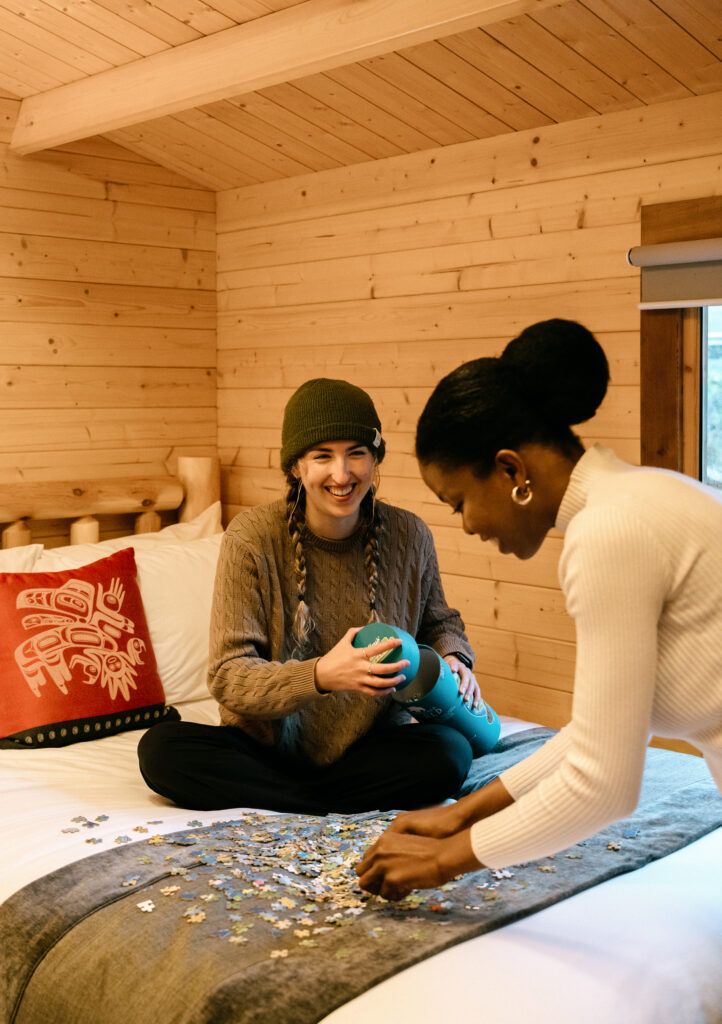
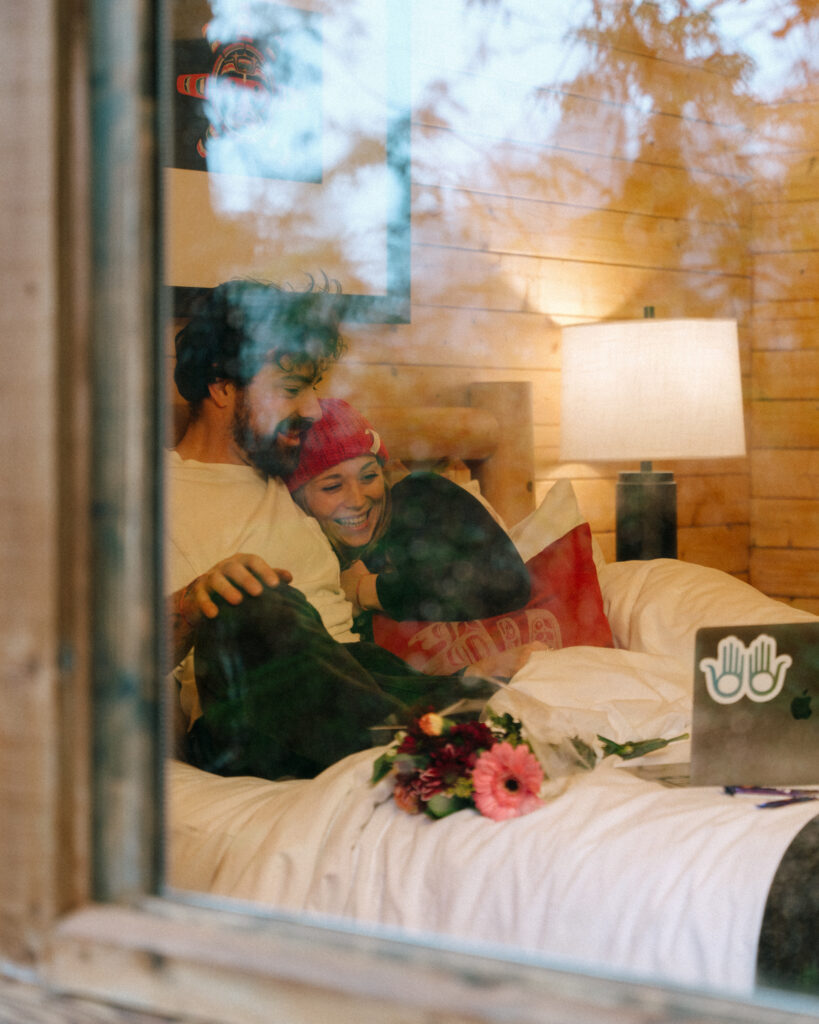
“When the weather really comes in,” reminds Kyle, “it’s nice to head back to the RV, warm up, make some food, play cards, and just hang out. I think that mix is probably my favourite part of winter camping here. You can get outside, surf, walk the beaches, and spend time around town, but you also don’t feel like you have to be doing something all the time. Sometimes a rainy night hanging out at camp ends up being one of the best parts of the trip.”
Choosing Tsawaak and their Allied partners supports ƛaʔuukʷiʔatḥ revitalization and capacity building towards the future.
“Lives changed because of this project,” ƛaʔuukʷiʔatḥ citizen Alex Masso points out. Now a Business Development Officer for NEDC, he reflects on building the campground and hinin (“to arrive”) Visitor Centre as business and project manager for Hithuiis Spirit Construction Ltd. (HSC).
“Those lives are changing other lives. They’re creating new lives. And the ripple keeps going. That’s probably the part of the project I’m most proud of. The concrete will eventually become a memory. The lessons—and the people—come with me.”
[1] Emily Carr, “Ucluelet”, Klee Wyck, Douglas & McIntyre, Vancouver, BC, 2003, p. 37.